Hotel Barge Cruises in France: Canals, Vineyards and a Chef on Board
 Cindi Sanden
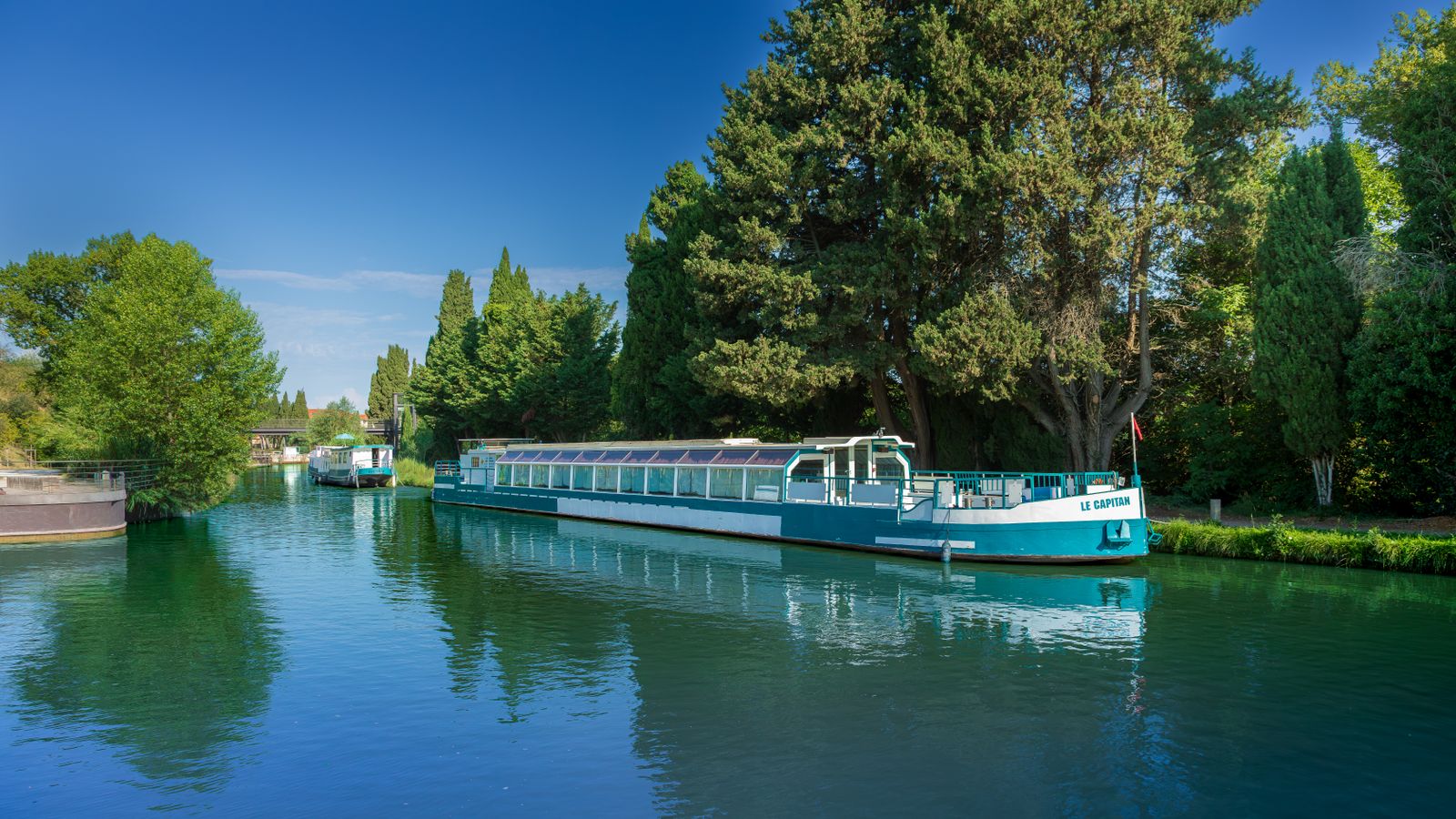
Picture a week in the French countryside where you unpack once, someone else does the driving and the cooking, and the biggest decision of the day is whether to walk to the next lock or stay on the deck with a glass of wine. That is a hotel barge.
Most people have heard of river cruises. Far fewer have heard of hotel barges, and that is a shame, because for the right traveler it is the better trip.
What a hotel barge is
Many hotel barges started life as working boats that carried grain, sand, coal or wine along the canals of France. Today they have been rebuilt as small floating inns with a handful of cabins, a dining room, a lounge and a sun deck. Some even have a hot tub up top.
The thing that makes barging different is the size. The old canals of France have small locks, so the barges are small too. Most carry somewhere between 4 and 20 guests, and the crew is usually a captain, a chef, a guide and one or two people who look after the cabins and the bar. By the end of the week the crew knows how you take your coffee.
How it is different from a river cruise or a rental boat
There are three ways to see France from the water, and they are very different trips.
- A river cruise ship sails the big rivers, like the Seine and the Rhône, and carries well over a hundred guests. It covers more ground and has more on board, but it is a ship.
- A self-drive canal boat is a rental you drive yourself. You are the captain, the deckhand and the cook. I wrote about that in South of France by Canal Boat.
- A hotel barge travels the same quiet canals as the rental boats, but with a full crew. You get the small-town France of a canal trip with nothing to do but enjoy it.
What a week on a barge looks like
Most barge cruises are six nights, Sunday to Saturday. Many pick you up at a meeting point, often a hotel in Paris, and drive you out to the barge, so getting there is easy.
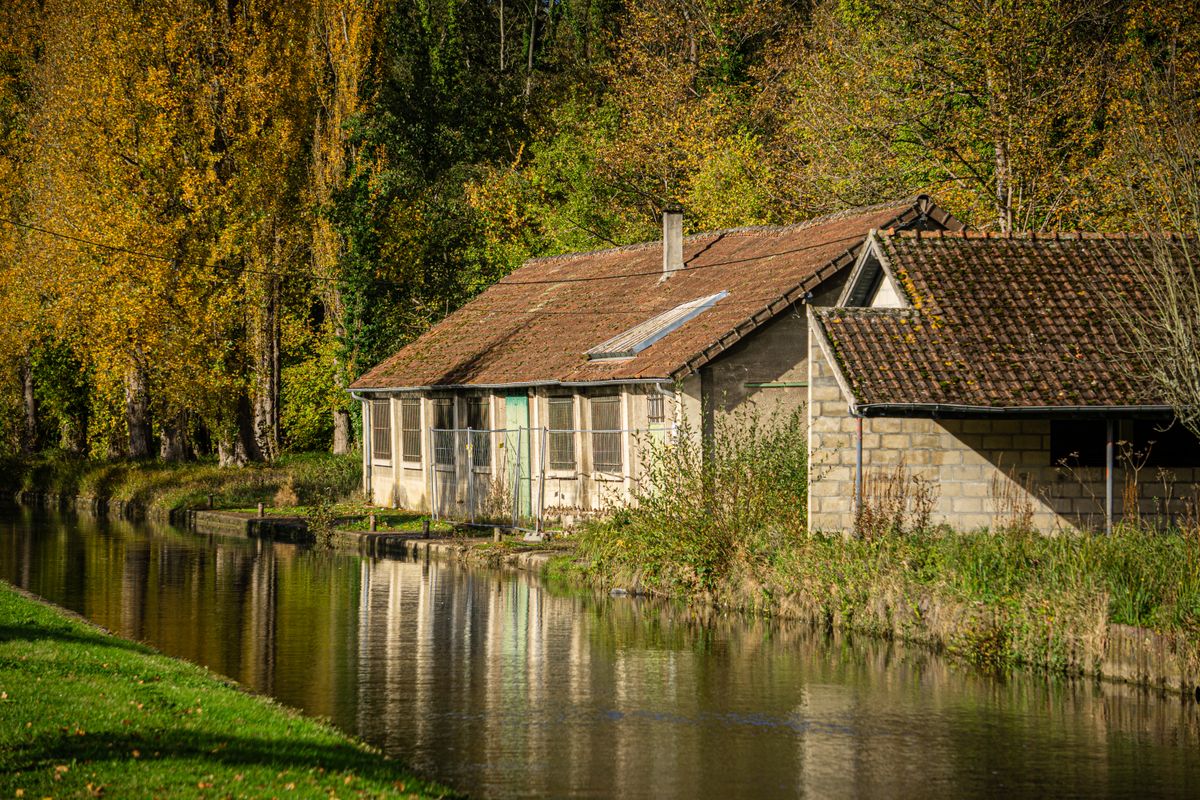
The days have a nice rhythm. Breakfast on board, then a few hours of slow cruising through the locks. If you want to stretch your legs, you can step off and walk or bike the towpath and meet the barge at the next lock. It moves at walking pace, so you will not get left behind.
Lunch is on board. In the afternoon the guide takes you out in a small van to a chateau, a village market, a wine estate or a cheese maker. Then it is back to the barge for dinner, where the chef cooks the food of the region and the wine comes from the vineyards you saw that day.
What is usually included
Barges are about as close to all-inclusive as travel in France gets. Every barge is a little different, but most include:
- All your meals, cooked on board
- Wine with lunch and dinner, and an open bar on many barges
- A guided outing most days, with entry fees covered
- The transfer to and from the barge from the meeting point
- Bikes to use along the towpath
Tips for the crew are usually extra. I will tell you exactly what your barge includes and what is customary before you book.
Where hotel barges sail in France
Each region feels like a different trip, so this is the fun part of planning.
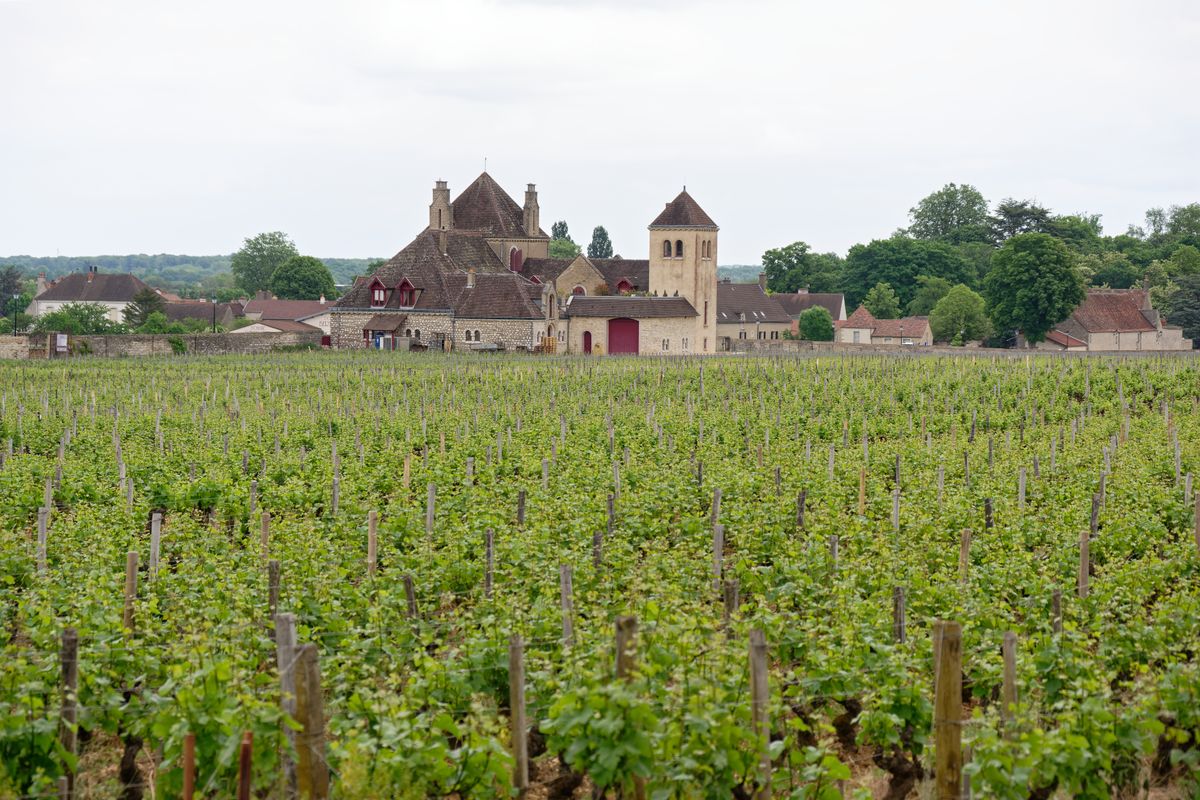
Burgundy. The classic barge region and my first suggestion for most people. You cruise past vineyards and stone villages and visit Beaune, Dijon and the Clos de Vougeot, the old wine estate in the middle of the vines. The vineyards of Burgundy are a UNESCO World Heritage Site. Many routes stop at Châteauneuf-en-Auxois, a hilltop castle village that is on the list of the most beautiful villages in France.
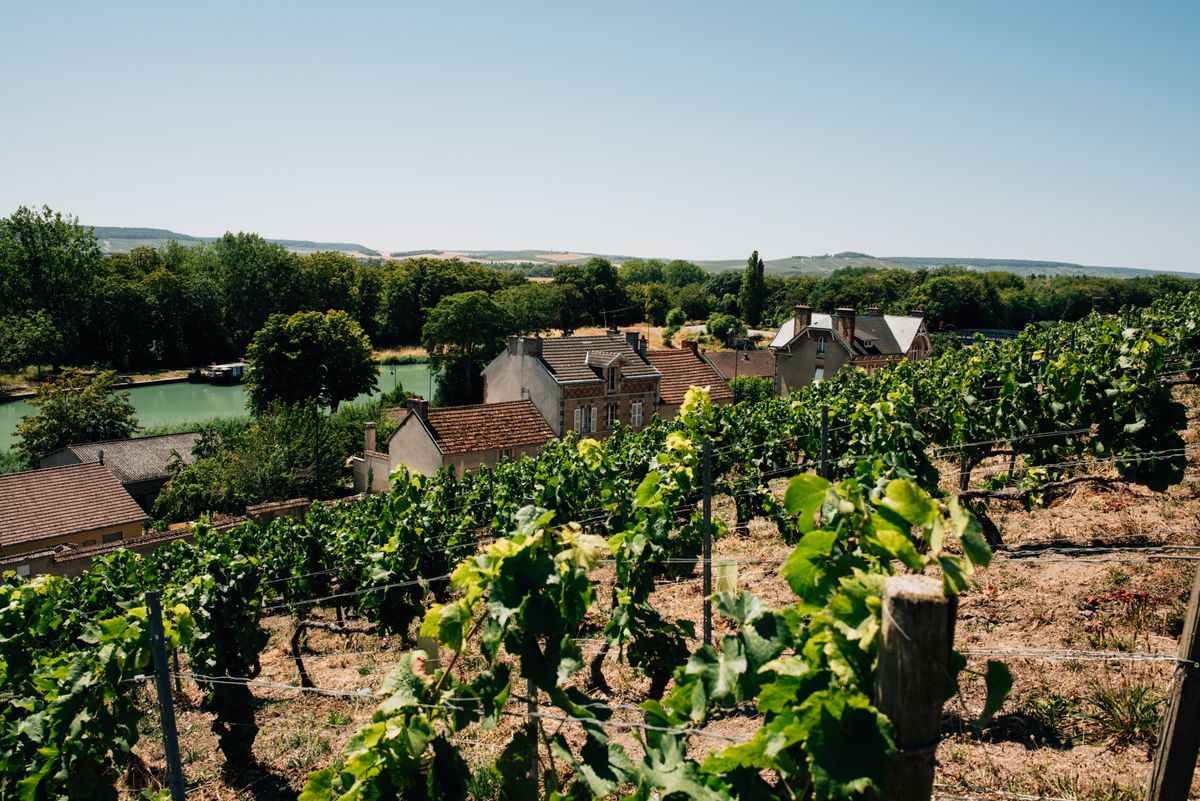
Champagne. A great pick for a celebration. The barges cruise the Marne Valley, and the outings take you to the champagne houses of Épernay and Reims. Under the Avenue de Champagne in Épernay there are miles of chalk cellars full of bottles. The hillsides, houses and cellars of Champagne are a UNESCO World Heritage Site too.
Alsace and Lorraine. This is the one for people who like a good engineering story. The canal climbs through the Vosges Mountains, and at Saint-Louis-Arzviller the whole barge rides up or down a hillside in a giant water tank, about 145 feet in just a few minutes. It replaced 17 locks. You also get Strasbourg and the storybook wine villages of Alsace, with their timbered houses and window boxes.
The Canal du Midi. Sunny and warm, in the south of France. Barges here visit the medieval walled city of Carcassonne, the hilltop village of Minerve and the big covered market in Narbonne, with the wines of the Languedoc on the table every night.
The Upper Loire. A quieter choice. You cross the Loire River on the Briare Aqueduct, an iron canal bridge that carries the barge right over the river, and you visit Sancerre for its white wines.
Gascony and Bordeaux. For armagnac, Bordeaux wine and a part of France that fewer Americans see.
Book a cabin or book the whole barge
You can book a single cabin and share the barge with other guests. With only a handful of people on board, you will get to know them, and that is often one of the best parts of the trip.
Or you can charter the whole barge for your own group. This is a wonderful way to celebrate a big birthday, an anniversary or a family reunion. The crew can shape the week around your group, and families can bring children. Many barges don't take young children when you book a single cabin, so a full charter is usually the way to go if kids are coming.
Who barging is for, and who it isn't for
It is a good fit if:
- You love food and wine and want to eat well every single day.
- You want to unpack once and still see a lot.
- You like small groups more than big ships.
- You are celebrating something and want it to feel special.
A few honest notes:
- Cabins are comfortable but compact. These are old working boats, not cruise ships.
- Barges have steps and narrow passageways, and most can't take a wheelchair. If anyone in your group has mobility concerns, tell me early and I will check the barge for you.
- There is no casino, no show and no nightlife. Evenings are long dinners and quiet decks.
- Solo travelers usually pay more for a cabin on their own.
When to go
Barges run from early April to late October. Spring brings green vineyards and fewer people. Fall is harvest season in the wine regions, which is a special time to be there. Summer is lovely too, just warmer and busier on the water.
Because each barge only has a few cabins, the popular weeks fill early. If you have your heart set on a certain week, or on chartering the whole barge, start planning early.
Ready to start?
If a slow week on a French canal with a chef on board sounds like your kind of trip, tell me about your trip. Let me know who is coming, what you are celebrating and when you are thinking of going. I will help you pick the region and the barge, and plan your days in Paris before or after.
Talk soon, Cindi