

Fiji is my favorite place on Earth. I have been twice, on two long trips where I toured a lot of resorts, which meant visiting a lot of islands too. I have visited at least 20 resorts and stayed at about 10 of them.
I am a Fiji Matai Specialist through Tourism Fiji and have held the Matai certification since 2017. This guide covers when to go, the island groups and who each one suits, honeymoons and families, getting there and around, village etiquette, and how I would plan a first trip.
Fiji at a glance
- Driest weather
- May to October
- Cyclone season
- November to April
- Fly into
- Nadi (NAN) on Viti Levu, the main island
- From the US
- Fiji Airways from Los Angeles, San Francisco or Honolulu
- US passport
- Valid 6 months past the day you leave Fiji, no visa for stays up to 120 days
- Great for
- Honeymoons, families, divers and snorkelers
What Fiji is like
Fiji is more than 330 islands in the South Pacific. Almost everyone lands in Nadi on Viti Levu, the main island, then heads out by boat, small plane or road to their resort. The water is warm all year, the reefs are made for snorkeling and diving, and the islands range from busy resort hubs to places that feel like the end of the earth.
What people remember most is the Fijians themselves. The people of Fiji are the nicest people I have met.

Why I know Fiji
Cindi Sanden, owner of Awaken Travels
At the Jean-Michel Cousteau Resort on Vanua Levu I learned to scuba dive for the first time. I am extremely claustrophobic, so I never thought I would be able to do it.
I stayed at Namale, and I took a cruise on the Fiji Princess, where I snorkeled after a white tip reef shark with the captain of the ship. That and the scuba are two of my top life experiences. I also swam with turtles and a red octopus.
Fiji was by far my favorite vacation.
- Fiji Matai Specialist, Bronze level, Tourism Fiji (Matai certified since 2017)
When to go
Dry season: May to October
Sunnier days, lower humidity and cooler evenings, so pack a light layer. July and August are the coolest months. Manta ray season runs May to September.
Wet season: November to April
Long, warm days with short afternoon downpours and higher humidity. January and February are the warmest months.
Cyclone season: November to April
The wet season is also cyclone season, and it peaks in the Southern Hemisphere summer. If you travel in these months, travel insurance matters.
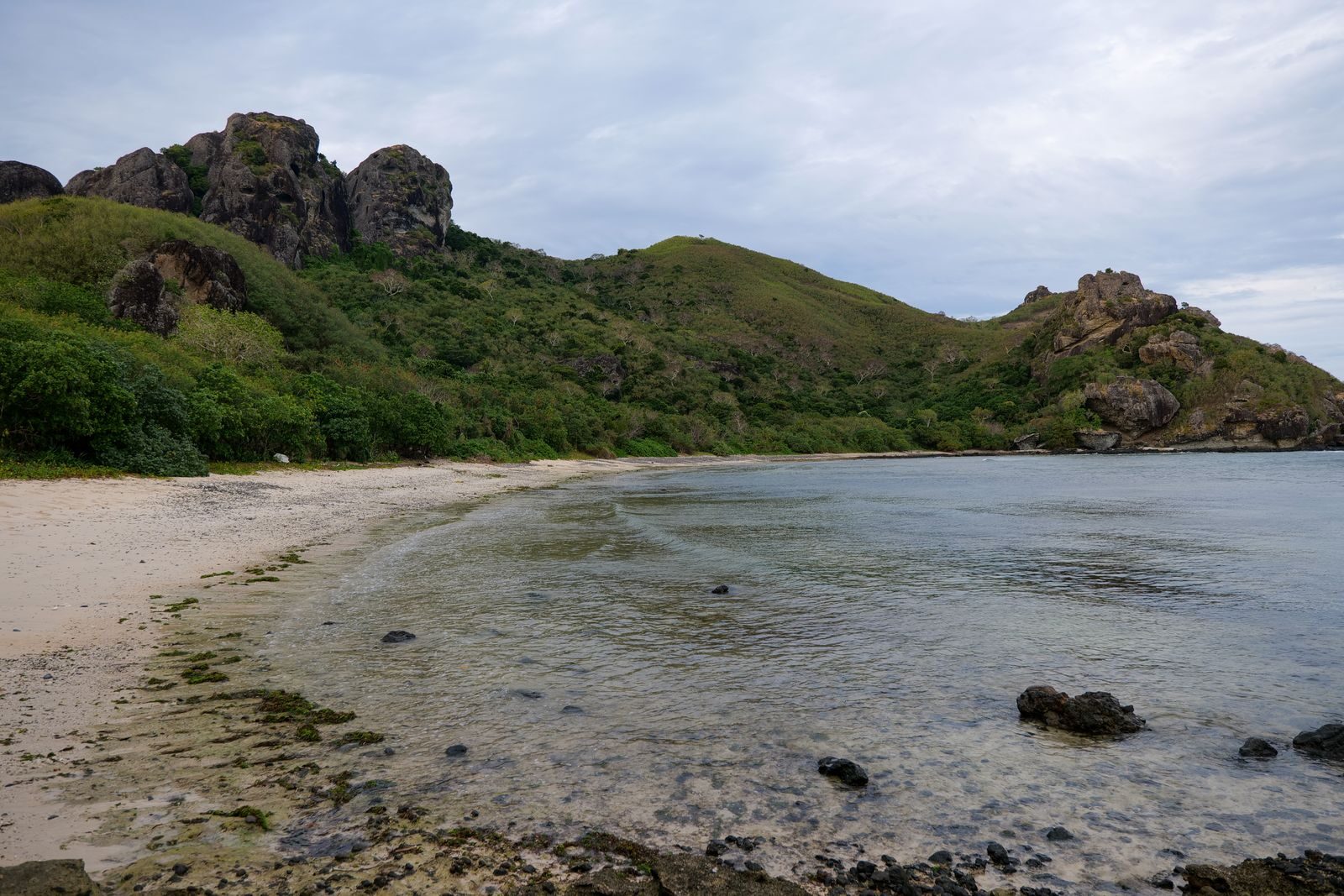

The island groups, and who each one suits
Fiji looks small on a map, but getting between islands takes time, so most trips work best around one or two of these areas.
Mamanuca Islands
The closest islands to Nadi, with frequent daily boats from Port Denarau. Picture-perfect beaches and a wide range of resorts, from family favorites to adults-only islands.
Best for: First trips, shorter stays, families and couples.
Yasawa Islands
A chain of about 20 islands beyond the Mamanucas, more remote and rugged, with fewer crowds and more village life. Daily boats run from Port Denarau, and this is where I cruised on the Fiji Princess.
Best for: Couples, adventurers and anyone who wants to feel far away.
Coral Coast
The southern shore of Viti Levu, reached by road from Nadi. Some of the best beaches on the main island, great reef access, a laid-back feel and plenty to do.
Best for: Families, culture lovers and anyone who would rather skip the boat transfer.
Taveuni
Fiji's Garden Island, in the north. Rainforest, waterfalls and colorful reefs, with famous diving in the Somosomo Strait. You get there on a short domestic flight.
Best for: Divers, hikers and nature lovers.
Savusavu and Vanua Levu
Laid back and uncrowded, with a slow, easy pace. Savusavu is about an hour by plane from Nadi. This is where I learned to dive, and where Namale is.
Best for: Couples, divers and travelers who want quiet.
Honeymoons, families and adults-only stays
Honeymoons
Fiji is made for honeymoons: a bure steps from the sand, dinners on the beach and reefs right off shore.
Adults-only resorts
Several Mamanuca resorts are adults-only (16 and up), including Likuliku, Tokoriki, Matamanoa and Tadrai. The Yasawas have adults-only options too.
Overwater bures
If an overwater bure is on your wish list, Likuliku Lagoon Resort on Malolo Island in the Mamanucas has overwater bungalows over the edge of the reef, and it is adults-only.
Families
Fiji is famously family friendly. Many resorts have kids clubs, and some offer a nanny (a meimei in Fiji) so parents can enjoy a quiet dinner.
Island life
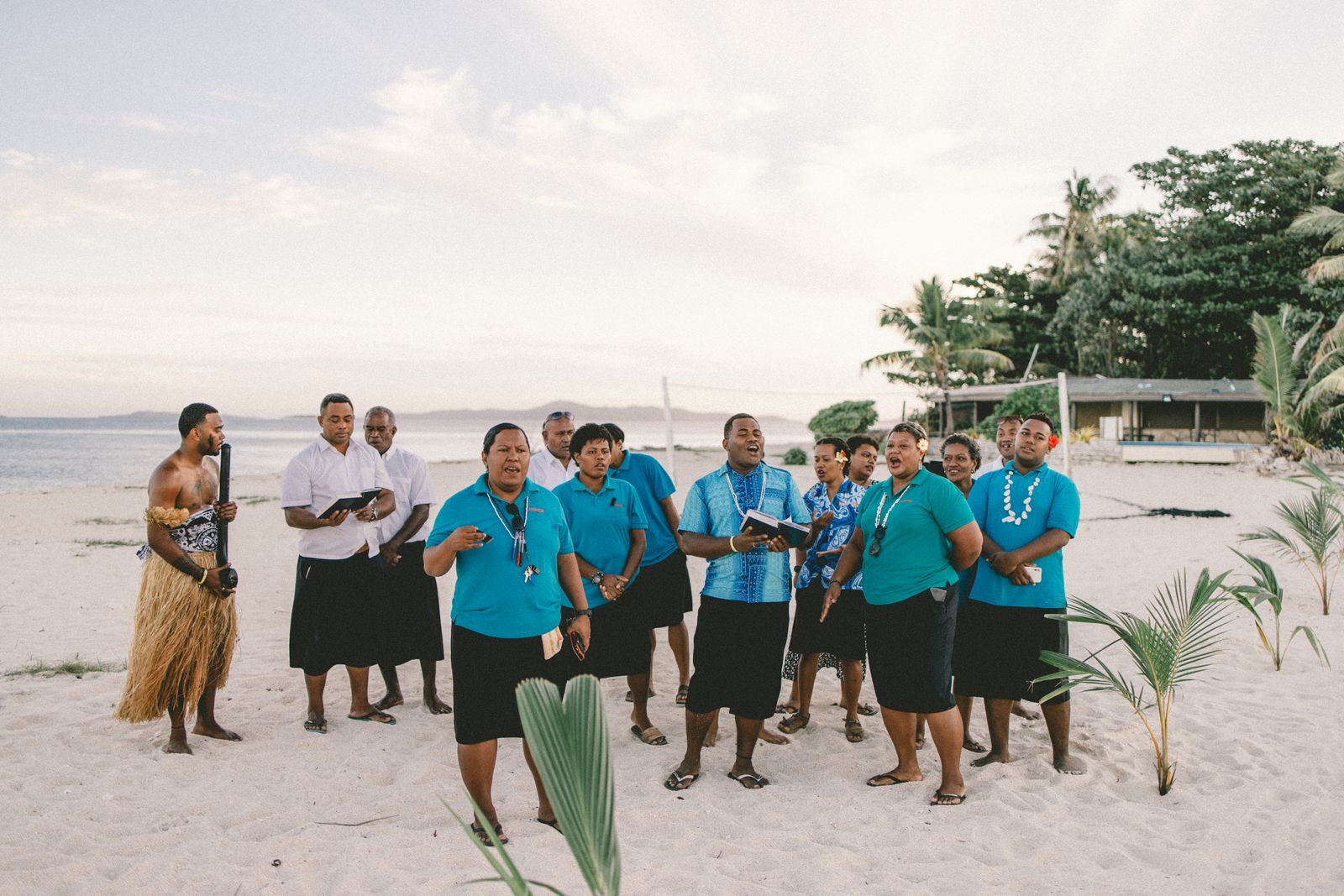

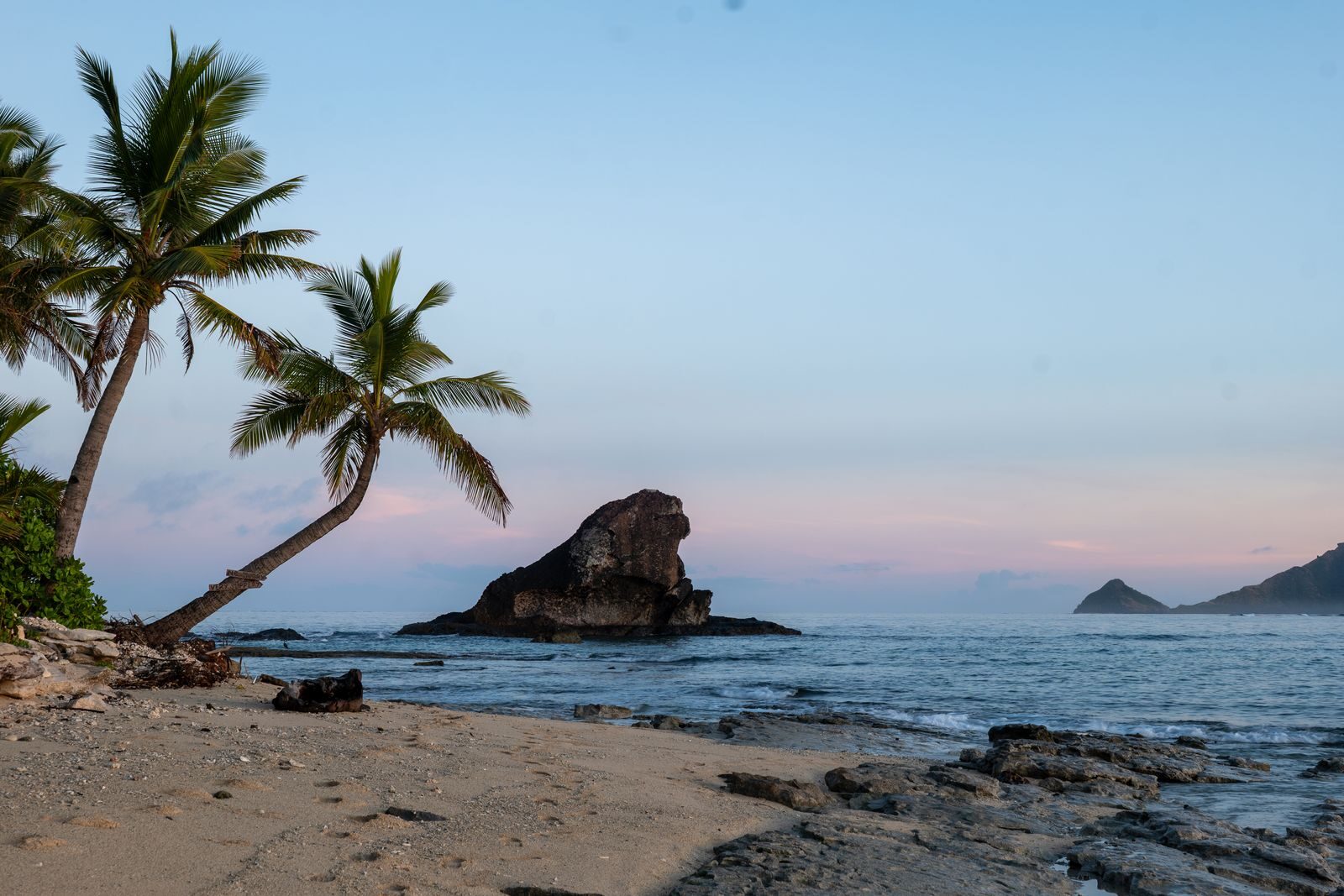

Getting there
Fiji Airways, Fiji's national airline, flies to Nadi from Los Angeles, San Francisco and Honolulu. From Chattanooga you connect to one of those cities first.
Fiji is on the other side of the International Date Line, so it is already tomorrow when you land. You lose a day on the way there and get it back on the way home.
If you land late or fly home early in the morning, a night near Nadi takes the stress out of the transfer.
Getting around
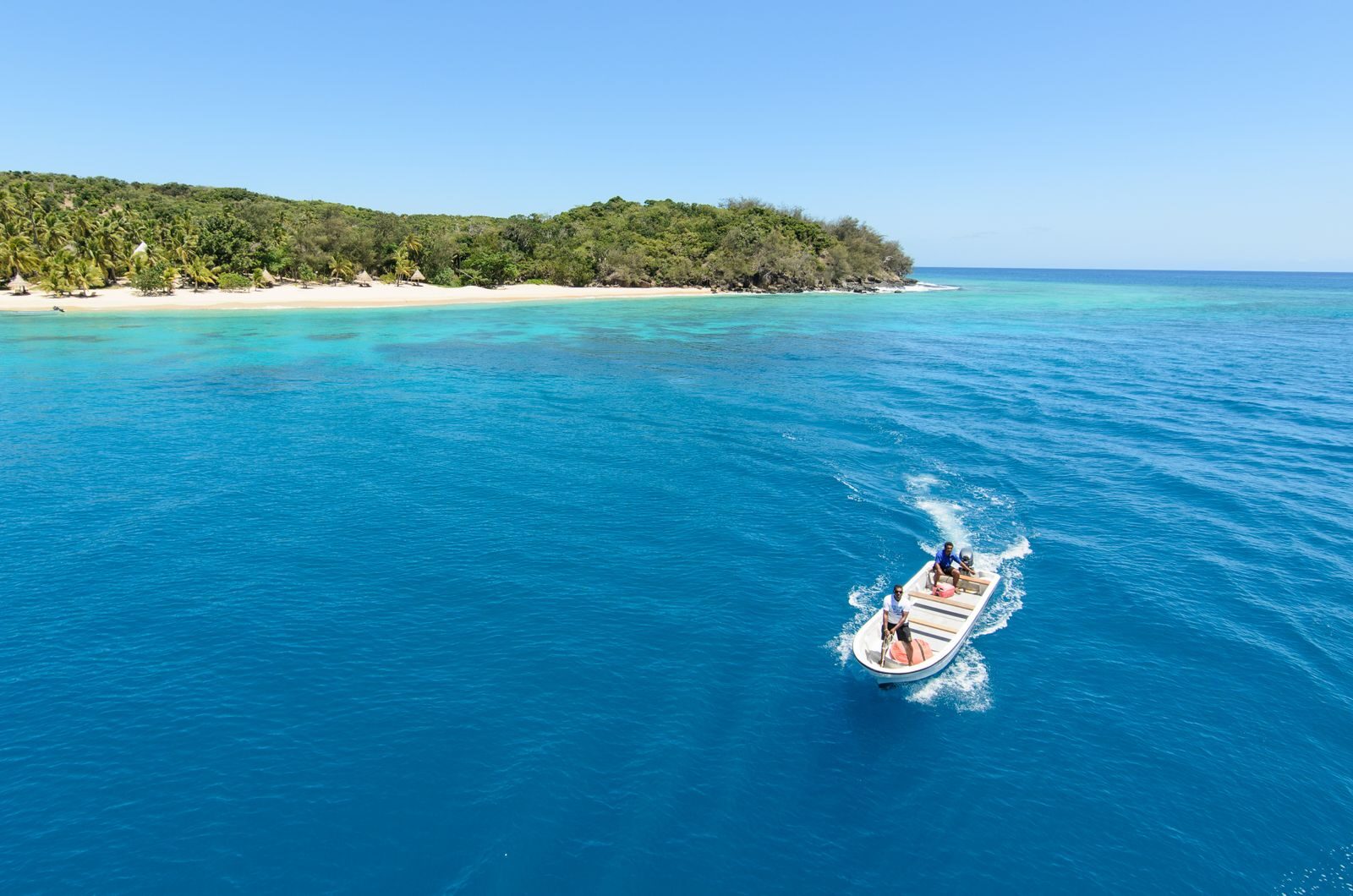
Boats are how most people reach the Mamanuca and Yasawa islands, with daily ferries from Port Denarau and water taxis for shorter hops. For Taveuni, Savusavu and the other outer islands, Fiji Link and Northern Air fly domestic routes, and helicopters and small planes can fly you straight to many island resorts, with amazing views on the way.
Treat transfer days as travel days. Boat times, flights and weather can all shift, so leave sightseeing for the days in between.

Village visits, kava and culture
- Go with a local guide. They explain the customs and help you avoid awkward moments.
- Bring a sevusevu, a small bundle of kava root or powdered kava, to present to the village chief. It asks permission to enter as a guest. Your guide usually helps with this.
- Kava is made from the root of a pepper plant. If you are offered a bowl, follow your guide's lead.
- Cover your shoulders and knees. A sulu (sarong) wrapped around your waist works great.
- Take off your hat and sunglasses, carry your bag in your hand, and take your shoes off before going into any building.
- Ask before taking photos, and never touch anyone's head.
- Sundays are for church, family and rest. Most village tours don't run, and many shops and banks close.
Money and tipping
Fiji uses the Fijian dollar (FJD). Bring some small notes. Villages, markets, small shops and taxis often take cash only, and ATMs get scarce once you leave the main towns.
Tipping isn't expected in Fiji, though it is appreciated for exceptional service. What I love about that is you really know the people are being nice because they are nice, not because they are hoping for a bigger tip.
Entry rules for US citizens
Your passport must be valid for 6 months beyond the day you leave Fiji and have 1 blank page. No visa is needed for stays of 120 days or less, and you get a visitor permit when you arrive.
You may be asked to show a return or onward flight, your hotel confirmation and proof you can support yourself during your stay. No vaccinations are required. The State Department rates Fiji Level 1, exercise normal precautions.
Rules can change, so check the State Department's Fiji page before you go.
How I would plan a first trip
For a first trip I would keep it to one or two areas. A plan that works for a lot of people:
- 1Fly into Nadi. If you land late, spend your first night near the airport.
- 2Spend most of the trip on one island: the Mamanucas for an easy first trip, the Yasawas to feel farther away, or the Coral Coast if you would rather not take a boat.
- 3Add a second stop if you have time, like Taveuni or Savusavu for diving and rainforest.
- 4Book a village visit with a local guide, and save a day for snorkeling or an island day trip.
Two tips
- Plan transfer days as travel days, especially before your flight home.
- Pack light. Smaller bags make island hops and boat transfers much easier.
Common Fiji questions
What is the best time to visit Fiji?
+
May to October is the dry season, with sunnier days and lower humidity. November to April is warmer and wetter, and it is also cyclone season.
Do US citizens need a visa for Fiji?
+
Not for stays of 120 days or less. Your passport must be valid for 6 months beyond the day you leave Fiji and have 1 blank page.
How do you get to Fiji from the US?
+
Fiji Airways flies to Nadi from Los Angeles, San Francisco and Honolulu. From Chattanooga you connect to one of those cities first.
Which Fiji islands are best for a honeymoon?
+
It depends on what you want. The Mamanucas have several adults-only island resorts close to Nadi, the Yasawas feel more remote, and Vanua Levu and Taveuni are lush and quiet.
Is Fiji good for families?
+
Yes. Fiji is famously family friendly. Many resorts have kids clubs, and some offer a nanny, called a meimei, so parents get time to themselves.
Do you tip in Fiji?
+
Tipping isn't expected, though it is appreciated for exceptional service.
Is there a Fiji travel agent near Chattanooga?
+
Yes. Awaken Travels is based in Soddy-Daisy, just north of Chattanooga. I am a Fiji Matai Specialist through Tourism Fiji, and I have been to Fiji twice.