Walking Vermont Inn to Inn: A Slow Journey Through the Green Mountain Villages
 Cindi Sanden
There is a particular kind of quiet that settles over the back roads of Southern Vermont in early autumn. Not silence, exactly. You still hear things: the crunch of gravel under your boots, a brook running somewhere below the road, wind moving through sugar maples that are just starting to turn. But there are no engines. No hurry. Just you, a hand-drawn map folded into your jacket pocket, and a whole day of walking between one old inn and the next.
Your bags are already gone. Someone collected them after breakfast and is driving them ahead to tonight's inn, where they will be waiting in your room by the time you arrive, footsore and happy, in the late afternoon. All you carry is water, a sandwich the innkeeper packed for you that morning, and a camera you will reach for far more often than you expected.
This is inn-to-inn walking, and in Vermont it is something close to an art form. It is one of the oldest and most quietly rewarding ways to travel we know, and lately more of our clients have been asking about it. So we went looking, past the brochures and the booking pages, to understand where this tradition actually comes from and why a few days on foot through the Green Mountains has a way of staying with people for years.
What "inn to inn" really means
The idea is simple, which is most of its charm. Instead of basing yourself in one hotel and driving out on day trips, you walk from village to village, sleeping in a different historic inn each night. You are not carrying a heavy pack or pitching a tent. Your luggage travels ahead by car while you travel on foot, so you walk light and arrive to find your own bed made up and waiting.
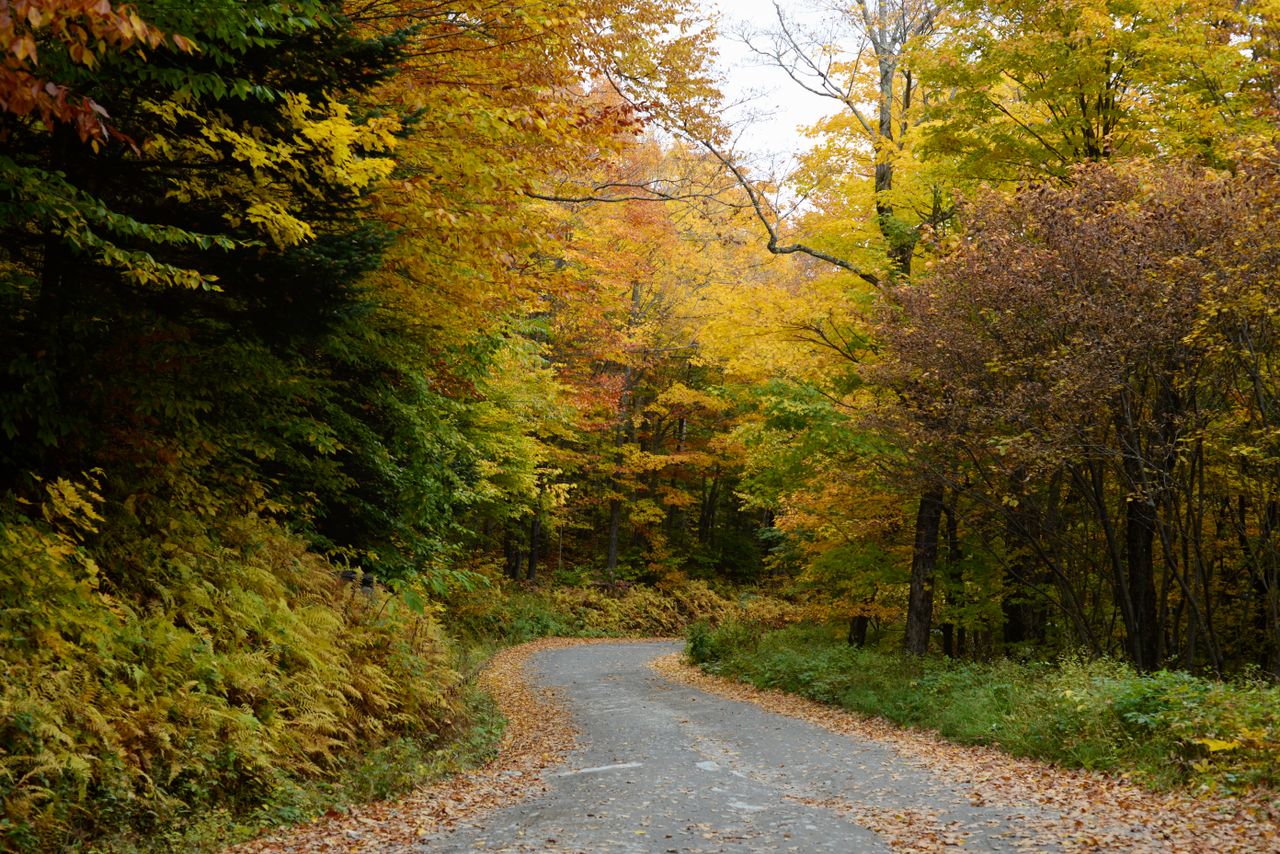
Most days cover somewhere around eight to twelve miles. That sounds like a lot if you picture a mountain scramble, but very little of this is rugged trail. In Southern Vermont, much of the walking follows old dirt and gravel town roads, the kind that were laid out for horses and wagons two centuries ago and never got paved over. They roll gently past farms and stone walls and the occasional startled deer. You set your own pace, stop when a view or a farm stand demands it, and reach the next inn in time for a hot shower before dinner.
You can do it guided, with someone leading the way and handling every detail, or self-guided, with maps and directions that let you wander on your own and simply show up where dinner is waiting. Either way, the day belongs to you. There is no bus to catch and no group holding you up. If you want to sit on a stone wall for an hour and watch the light change on the hills, that is a perfectly good use of an afternoon.
What you are really buying, in the end, is a slower gear. The walking sets a human pace, and everything else, the meals, the conversations, the scenery, expands to fill it.
A state built for walking
Vermont did not become a walking destination by accident. This is a place with a genuine footpath heritage, and it runs deeper than most visitors realize.
Back in 1910, a schoolteacher named James P. Taylor grew frustrated waiting out the fog on a mountainside and dreamed up something ambitious: a single trail running the entire length of the state, along the spine of the Green Mountains. That same year he helped found the Green Mountain Club to build it. The result, the Long Trail, took two decades of volunteer labor to complete and stretches roughly 270 miles from the Massachusetts line to the Canadian border. It is the oldest long-distance hiking trail in America, and it was the direct inspiration for the far more famous Appalachian Trail, which now shares about a hundred miles of its route through southern Vermont.
You do not need to walk the Long Trail to feel its influence. That century-old habit of building and caring for paths is woven into the whole state. It is why the back roads connect the way they do, why the villages sit a comfortable day's walk apart, and why a network of innkeepers thought, decades ago, to link their doorsteps with walking routes in the first place. Vermont has been quietly perfecting the art of getting somewhere on foot for well over a hundred years.
Then there are the covered bridges. Vermont has more than a hundred of them still standing, weathered red and brown, spanning the rivers and brooks you will cross along the way. They were built to keep snow and rot off the timbers, but the effect now is pure romance. Walking through one, hearing your own footsteps echo on the old planks with the water rushing below, is the kind of small moment no motorcoach tour will ever hand you.
The villages you will walk through
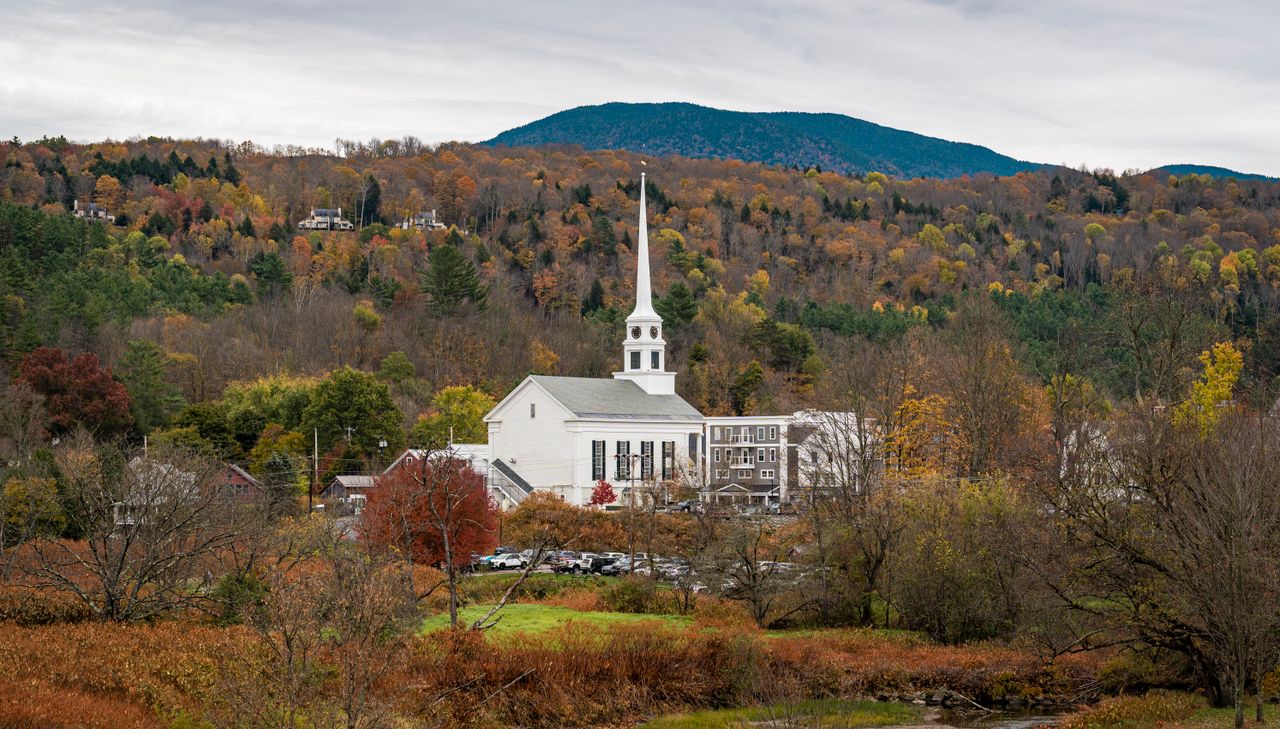
The classic Southern Vermont walking route threads together a handful of villages in and around the Okemo Valley, and each one has its own character. This is where the trip stops being just a walk and becomes a story.
Chester is often where it begins. Its long green common is lined with shops and galleries under tall maples, but the thing you will remember is the Stone Village. Along one stretch of road stand a couple dozen houses built entirely of local stone in the 1800s, an unusual and slightly mysterious little district that looks like nowhere else in New England. It is the kind of place you slow down for without quite knowing why.
Weston may be the most photographed village in the state, and once you see it you understand. There is a perfect oval green, a bandstand, and the West River running past an old red mill. This is the original home of the Vermont Country Store, founded here in 1946 and still selling penny candy and wool socks and things you had forgotten anyone still made. Weston is also home to one of the oldest professional theaters in Vermont, staging summer productions in a historic playhouse since 1937. For such a tiny place, a great deal has always happened here.
Ludlow sits at the foot of Okemo Mountain and brings a little more bustle, with good restaurants and a lively main street that makes a welcome contrast after a quiet day on the roads. And just beyond, if your route allows, is Plymouth Notch, one of the best-preserved presidential sites in the country. Calvin Coolidge was born here, and in 1923 he was sworn in as president in the family sitting room by lamplight, his own father administering the oath. The village has barely changed since. You can still visit the general store, the cheese factory the Coolidge family started, and the modest homes, all sitting exactly where they were.
The rhythm of the days
What surprises most people is how quickly they fall into the rhythm of it.
The morning starts with a real breakfast, the kind that sets you up for hours of walking. Eggs, maybe, and thick bacon, warm bread, and coffee you linger over while the innkeeper points out the turns on your map and tells you which farm stand up the road has the good cider. You pack the snacks they have set out, lace up, and step out the door into the cool morning air.
Then you walk. The miles pass more easily than you would think, broken up by the things you stop for: a covered bridge, a view opening across a valley, a herd of cows that ambles over to the fence to study you. Lunch is wherever you decide it is, on a stone wall or a village green or a flat rock beside a stream. There is no schedule pressing on you, only the gentle knowledge that a warm inn and a home-cooked dinner are waiting at the end.
By late afternoon you arrive, and this is the part that makes inn-to-inn travel what it is. Your bags are already in the room. Someone hands you a cold drink or a slice of pie. You shower, you rest, and then you come down to a dinner made by the same people who own the place, often with vegetables from their own garden and Vermont maple in at least one course. You sleep hard. And in the morning you do it again, one village further on.
When to go, and who it is for
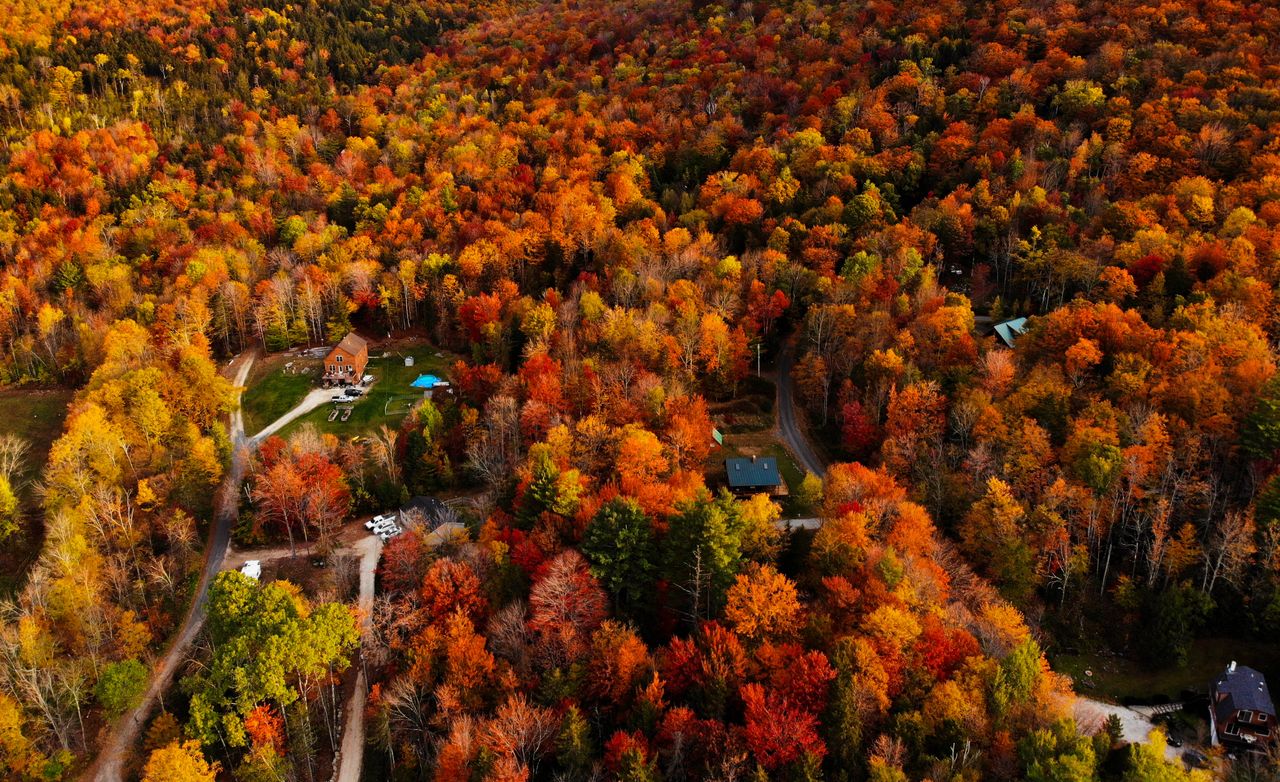
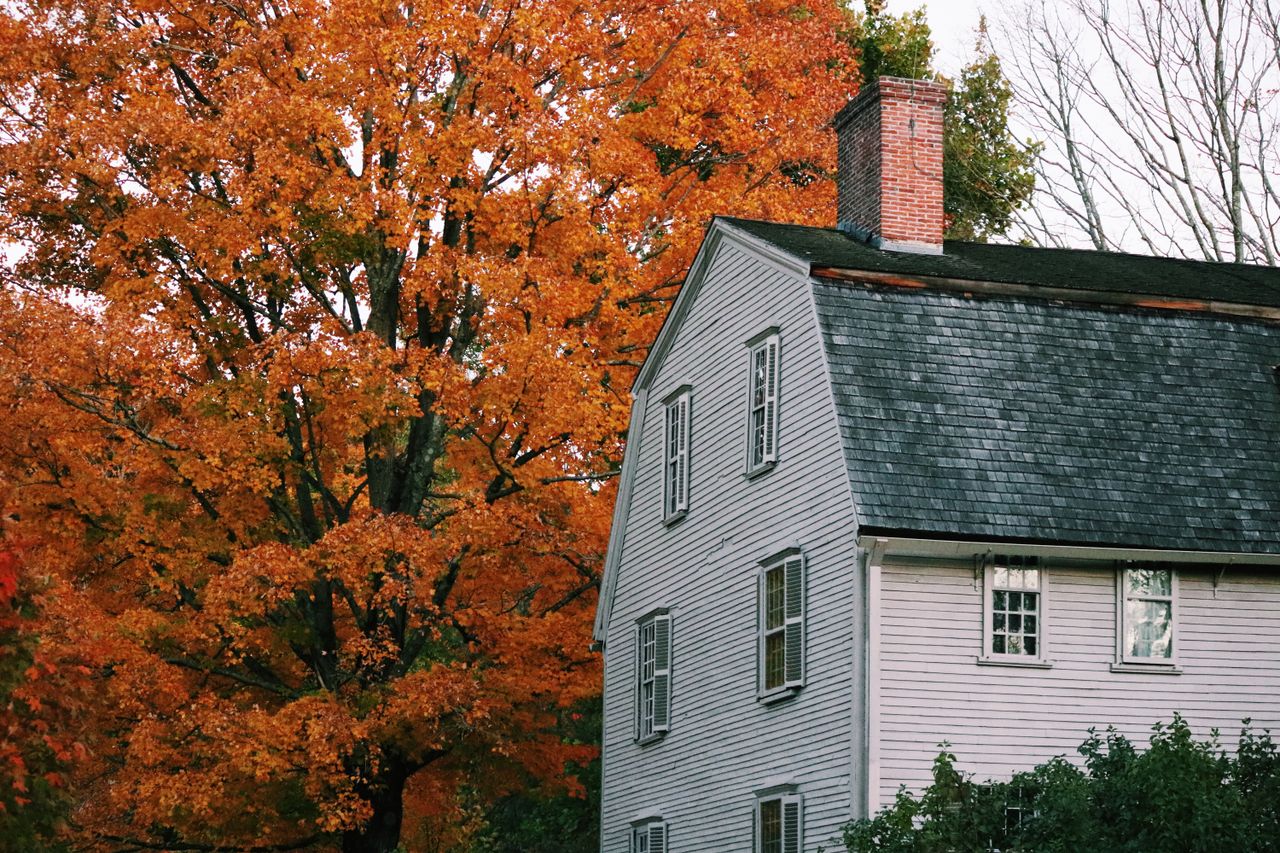
Autumn is the headline act, and for good reason. From late September into early October the maples turn every shade of fire and the whole state seems lit from within. It is glorious, and it is popular, so those weeks book up far in advance.
But do not overlook the shoulders. Summer brings deep green hills, wildflowers, and long golden evenings, with fewer crowds and warmer swimming holes. Late spring is quieter still, once mud season has passed and the world is greening up. Each season gives the same roads a completely different mood, and honestly there is no wrong time except the depths of winter, when the walking gives way to skiing.
As for fitness, this is far more accessible than most people assume. If you can comfortably walk several miles on a mix of flat and gently rolling terrain, you can do this. There are no technical climbs and no exposure, and a self-guided itinerary lets you shorten a day whenever you like. It suits couples looking for something unhurried and romantic, small groups of friends, and solo travelers who want the safety and warmth of a place where someone is expecting them each night. It is a wonderful choice for anyone who has decided they would rather feel a place than simply photograph it from the car window.
Why we love this kind of trip
We plan a lot of travel, much of it grand. And still, a Vermont walking trip holds a special place, because it gets at something the big itineraries sometimes miss.
Walking changes your relationship to a place. You notice the smell of woodsmoke and cut hay, the way the light moves, the small kindnesses of the people who live there. You arrive somewhere having earned it. And because you are spending your nights and your money in family-run inns and village stores rather than a chain hotel off a highway, your trip actually helps keep these little places alive. It is a gentle, generous way to travel, and it is good for the traveler in ways that are hard to put a price on.
It is also, quietly, a reset. A few days with no agenda beyond the next village has a way of clearing your head that a beach chair never quite manages. People come home from these trips a little softer around the edges, in the best way.
Let us plan your Vermont walk
The beauty of an inn-to-inn walking trip is that it looks effortless, and the reason it feels effortless is that every detail has been handled before you ever lace up your boots. That is exactly the part we love.
If a few slow days on the back roads of Vermont sound like your kind of travel, let us build it around you. We will match the route and the pace to your fitness and your interests, choose the inns we think you will love, sort out the timing so you catch the season you are after, and take care of the luggage transfers, the reservations, and everything in between. All you have to do is walk.
Reach out any time. We would be delighted to help you plan a Vermont walking journey you will be talking about long after the leaves have fallen.