Walking the Camino de Santiago: A Slow Journey Through Green Galicia
 Cindi Sanden
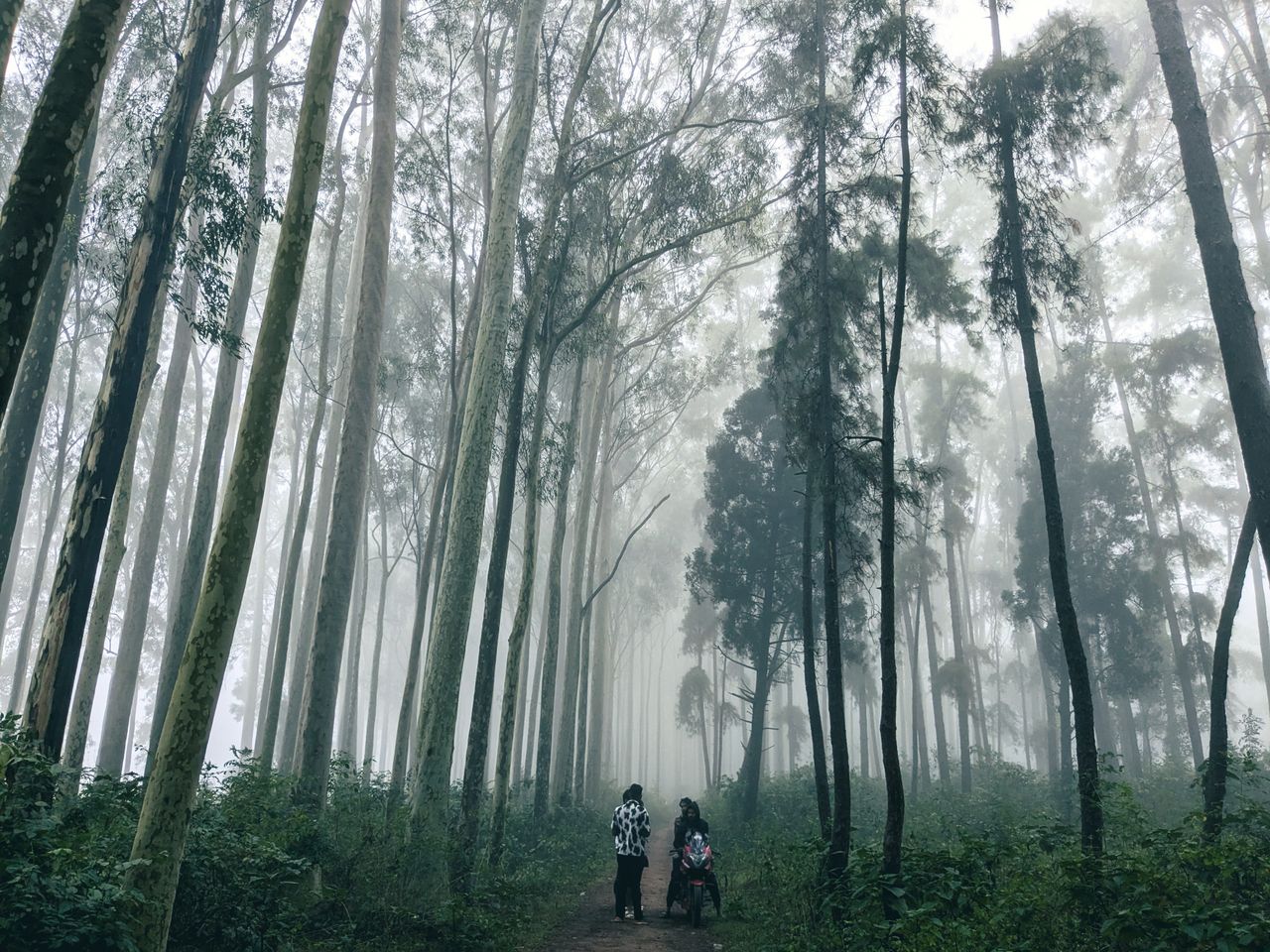
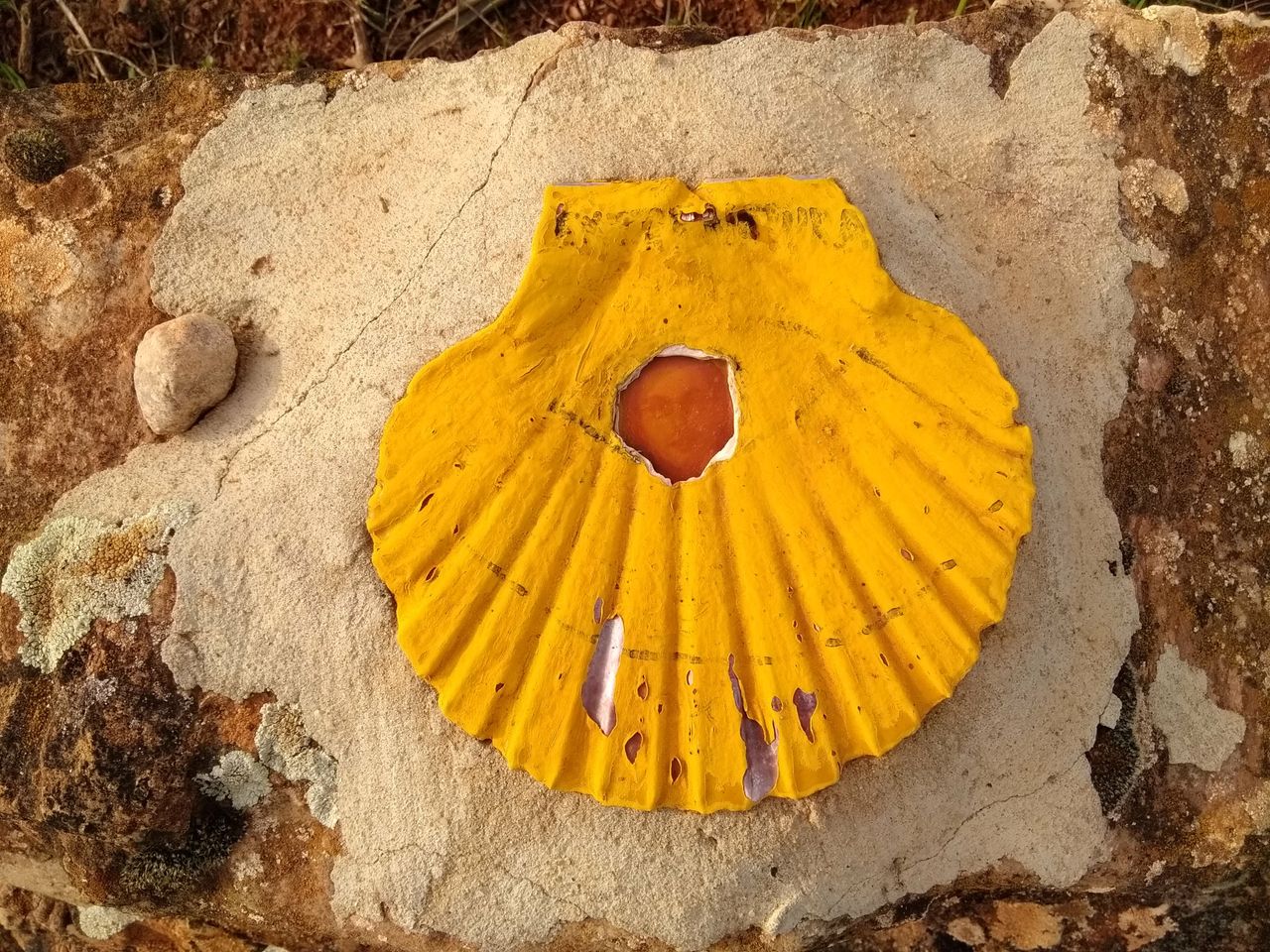
There is a mist that hangs in the eucalyptus woods of Galicia on an early morning, and you walk straight into it. The path is an old farm track, worn down between mossy stone walls, soft underfoot from the rain that fell in the night. Somewhere a rooster. Somewhere a cowbell. A granite post appears at a fork in the trail, and on it, pointing the way, a yellow arrow and a scallop shell. You have seen a hundred of these by now, and you still feel something when you see the next one. This way. Keep going. Santiago is up ahead.
Your bag is already gone. Someone collected it from the inn after breakfast and is driving it on to tonight's stop, where it will be waiting in your room by the time you walk in, tired and glowing, in the middle of the afternoon. All you carry is a small pack: water, a rain jacket, because this is Galicia and the sky does as it likes, a piece of fruit, and a camera you will pull out far more often than you meant to.
This is the Camino de Santiago, the most storied walk in the world, and you are doing it the civilized way. Not sleeping in crowded bunkrooms or carrying everything you own, but walking the final stretch from village to village, resting each night in a comfortable inn, eating like royalty, and letting someone else move the luggage. More of our travelers have been asking about this trip lately, so we went digging past the tour brochures and the booking pages to understand where this thousand-year-old road really comes from, and why people come home from it changed. Here is what we found, and how to think about walking it yourself.
What walking the Camino really means
The Camino de Santiago is not one path but many. For more than a thousand years, pilgrims have set out from their own front doors all across Europe and walked toward a single point in the far northwest corner of Spain, the city of Santiago de Compostela, where the bones of the apostle James are said to lie beneath the cathedral. Those routes have names now. The Frances, the Portugues, the Norte, the Primitivo. They fan out across the map like the grooves of a scallop shell, and they all end in the same square.
Most travelers who want to walk a week of it, and come away with something to show for it, walk the last stretch of the most famous route of all, the Camino Frances. They begin in a small Galician town called Sarria and walk the final hundred and fifteen kilometers, a little over seventy miles, into Santiago. There is a good and specific reason so many people start in exactly that spot. To earn the Compostela, the certificate the cathedral has issued to pilgrims for centuries, you must cover at least the final hundred kilometers on foot, and Sarria sits just the far side of that line. You carry a little folded passport called the credencial and collect a stamp or two each day, in inns and cafes and village churches, as proof you walked every mile. Hand it in at the pilgrim office in Santiago and they write your name in Latin on the certificate, the same as they have done since the Middle Ages.
The walking itself is gentle to moderate, not hard. Most people take five to seven days from Sarria, covering somewhere between ten and fifteen miles a day, and you can always add a night or two to soften the distances if you would rather amble than march. The path runs along old farm tracks and sunken country lanes, through woods and past cornfields and tiny hamlets, rolling up and down across the green Galician hills. Nothing about it is technical. If you can comfortably walk several miles on rolling ground at home, you can walk into Santiago.
And you can do it the comfortable way, which is how we plan it. Your nights are spent in hand-picked inns and country houses rather than dormitories. Your bags are driven ahead each morning. You can walk guided, with someone handling every booking and every turn, or self-guided, following the waymarks at your own pace with the route, the beds, and the luggage all arranged in advance. Either way, once you step out the door in the morning, the day is entirely yours.
A road a thousand years old
To understand why a walk across a few Spanish hills moves people the way it does, you have to go back about twelve hundred years, to a hermit and a field of stars.
The story goes that sometime around the year 820, a hermit named Pelayo saw strange lights hanging over a lonely wooded hillside in Galicia. He reported them to the local bishop, who came to investigate and uncovered an old Roman tomb. The bishop declared it the resting place of Saint James the apostle, whose remains, by tradition, had been carried by boat to these shores after his death in the Holy Land. Word reached the king of Asturias, Alfonso II, who walked from Oviedo to see it for himself and ordered a church raised on the spot. A settlement grew up around it, and people have always loved to read its name, Compostela, as campus stellae, the field of the star.
Whatever you make of the legend, the effect on the medieval world was enormous. Within a couple of centuries, Santiago had become one of the three great pilgrimages of Christendom, alongside Rome and Jerusalem, and the only one of the three you could reach on foot from anywhere in Europe without crossing the sea. Roads and bridges were built for the walkers. Hospitals and hostels sprang up to shelter them. Whole towns grew rich on the traffic of pilgrims moving west, and at the height of it, in the eleven and twelve hundreds, hundreds of thousands of people a year were on these roads.
They even had a guidebook. Around the year 1140, a French cleric compiled what is now called the Codex Calixtinus, and its fifth book is a working guide to the French route, often called the first travel guide ever written. It tells the reader where to sleep and where the water is safe to drink, which locals are generous and which will fleece you, which shrines along the way are worth the stop. Read a translation of it today and the voice is startlingly familiar, an opinionated traveler telling you how to do the trip right.
And then there is the shell. Somewhere along the way the scallop became the emblem of the whole endeavor, and it still is. Medieval pilgrims who reached the wild coast beyond Santiago gathered the shells from the beaches and carried them home, sewn onto hat and cloak, as proof they had made it. The shell worked as a simple cup for drinking from streams, and people liked to see in its shape, all those grooves running to a single point, an image of the many roads converging on one tomb. Today it marks the entire route. You will follow that shell on posts and pavements and walls for a hundred miles, and you will find, a little to your surprise, that you never once stop being glad to see it.
The villages you will walk through
The last hundred kilometers are really a string of Galician towns and hamlets, each one a place to stop, and this is where the days on the trail turn into the stories you tell for years afterward.
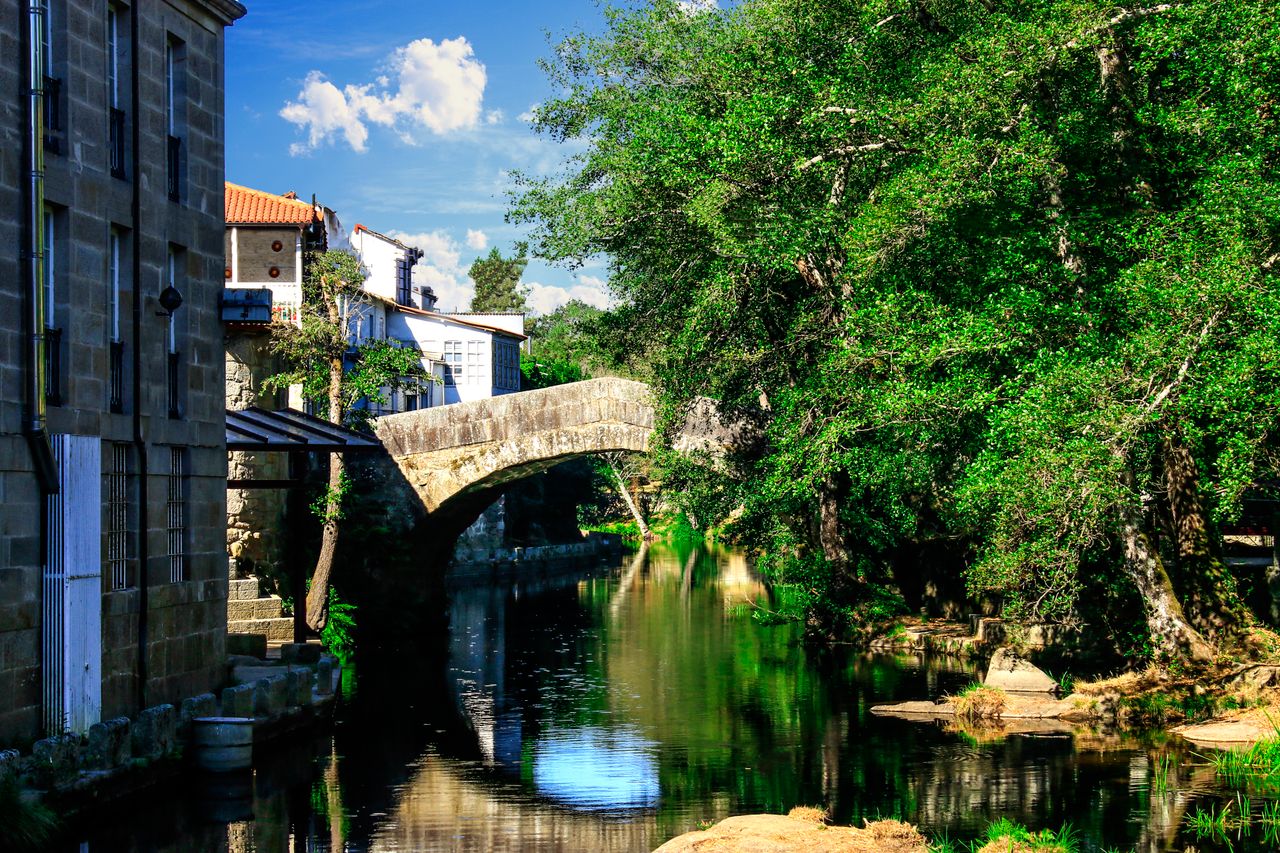
Sarria is where most people begin, an old hill town with a stone quarter and a monastery at the top, full the night before a walk with the particular buzz of people about to set off. From there the path drops into deep countryside almost at once, over a medieval bridge and up through oak woods loud with birdsong.
Portomarin comes at the end of the first long day, and it holds one of the strangest stories on the whole route. The town you walk into is not where it used to be. In the 1960s the government dammed the river Mino and flooded the valley, and the old Portomarin with it. Before the water rose, the townspeople took their most treasured building, the great fortress church of San Nicolas built by the Knights of Saint John, apart stone by stone. They numbered every block, many thousands of them, hauled them up the hill, and rebuilt the church exactly as it had stood. You can still read the painted numbers on the stones today. In a dry summer, when the reservoir drops, the ghost of the old town, its walls and its bridge, rises back out of the water.
Beyond it lie Palas de Rei and a run of hamlets so small they are little more than a church, a few farms, and a cruceiro, one of the carved stone crosses that stand at Galician crossroads by the thousand. Then comes Melide, right at the heart of the walk, where the ancient Primitivo route, the oldest Camino of them all, joins the path from the north. Melide is where you eat the octopus. Galicia is famous for pulpo a feira, octopus boiled tender in great copper pots, snipped into coins with scissors, dressed with olive oil, coarse salt, and sweet paprika, and served on a round wooden plate with a glass of young wine. People walk into Melide hungry on purpose.
Arzua is cheese country, home to a soft, creamy local cheese that turns up on every board, and the last real town before the end. After it the path tips gently downhill through the eucalyptus toward the city. The final morning brings you to Monte do Gozo, the Mount of Joy, a low rise just outside Santiago, and it earned its name honestly. This is the spot where, after days or weeks or months of walking, pilgrims catch their first far-off glimpse of the cathedral spires. In the old days the whole group would race for it, and the first to see the towers was crowned the king of the company. People still go quiet up there.
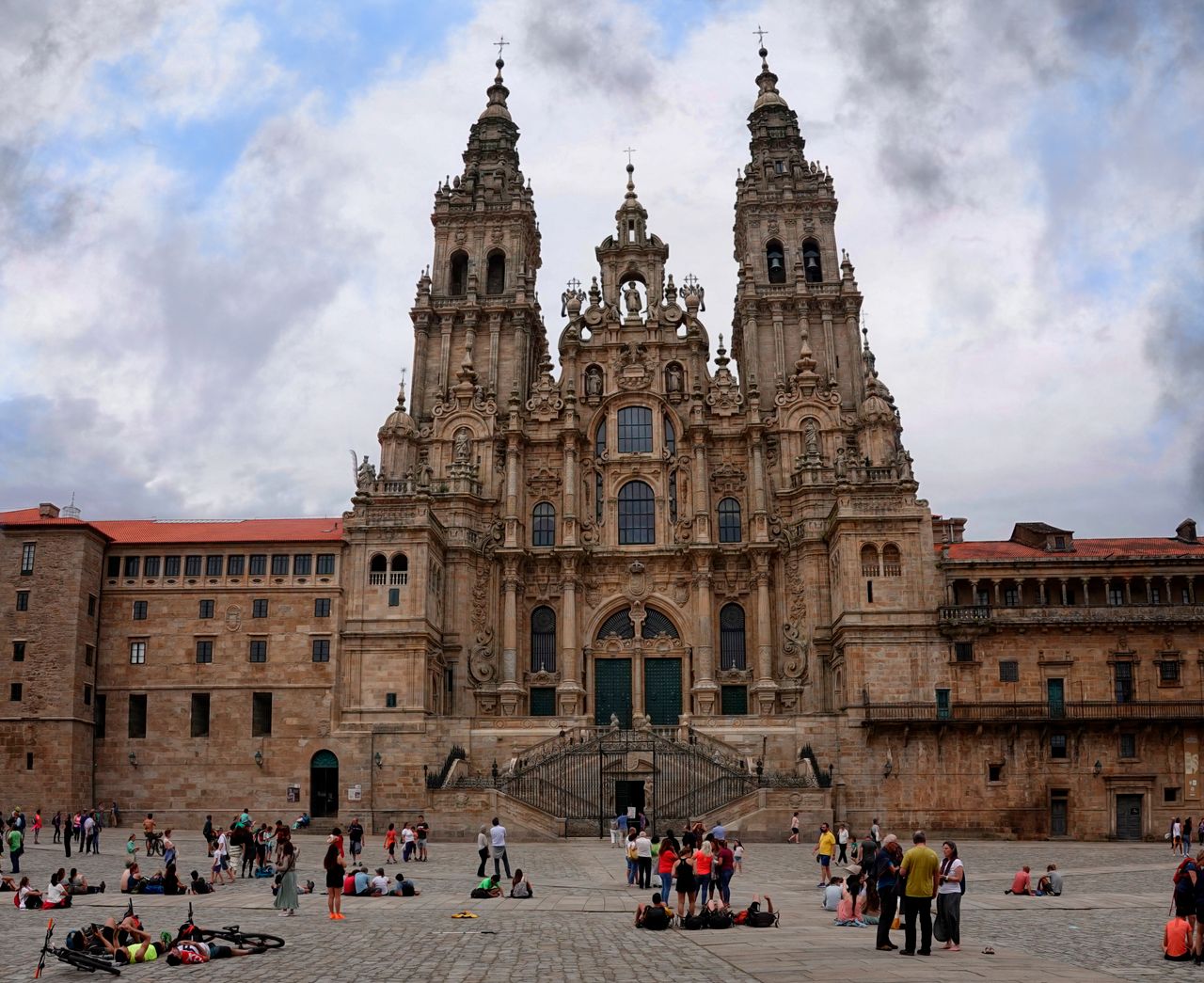
And then you walk the last few miles in through the streets of the old city, the sound of a lone bagpiper drifting under a stone archway, until the lane opens with no warning into the vast square called the Obradoiro, and there it is. Santiago de Compostela. The cathedral fills the whole eastern side, a mountain of pale carved stone. Inside waits the Portico da Gloria, a doorway of more than two hundred figures carved by a genius known as Master Mateo in the eleven hundreds, and beneath the high altar, in a silver casket, what the faithful have walked all this way to reach. Pilgrims still climb the worn steps behind the altar to embrace the statue of the saint, then file down into the crypt below.
If your timing is lucky, you will be there for the moment they fly the Botafumeiro. It is a giant censer, a vessel of burning incense about the size of a small child and a good deal heavier, hung on a thick rope from the very center of the cathedral's ceiling. Eight men in red robes haul on the rope together, and the thing begins to swing, higher and higher, trailing a wake of smoke in a great arc across the transept until it is nearly brushing the roof and rushing past your face at close to forty miles an hour. They have been doing this here since the Middle Ages, first, they say, to freshen the air around travelers who had walked a very long way without a bath. It is unforgettable, and it is exactly the right ending for a walk like this.
The rhythm of the days
What surprises most people is how quickly the days settle into a shape, and how good a shape it is.
It starts with breakfast and a strong cafe con leche, the map open on the table while the innkeeper points out the good stops up ahead. You step out into the cool and pick up the shell markers where they leave the village. Then you walk. The miles go easier than you expect, broken up by all the small things that make you stop: a cruceiro at a crossroads, a raised stone granary called an horreo standing in a farmyard like a little ark, a herd of cows being walked down the lane, a church with a stamp for your credencial waiting by the door. You will pass other walkers and trade the two words everyone shares out here, Buen Camino, good way, a hundred times a day and mean it every time.
Lunch is a village bar, a bowl of caldo galego and a wedge of warm empanada, or bread and that Arzua cheese on a bench in the sun. There is no clock but the daylight. If a place asks you to linger, you linger. By the middle of the afternoon you come into the next town, and your bag is already there in the room. You get your stamp. You shower the walk off your legs and rest, and then you go out to dinner, more octopus perhaps, or a plate of blistered Padron peppers, a bottle of cold Galician white, and a slice of tarta de Santiago to finish, the almond cake with the saint's sword stenciled in sugar across the top. You sleep like a stone. And in the morning you get up and do it again, a little closer to the city each day.
When to go, and who it is for
Galicia is the green corner of Spain, and it is green for a reason. The weather rolls in off the Atlantic and it can rain in any season, so you pack a good jacket and make your peace with it. That said, there are lovely windows. Late spring and early summer, roughly May into June, bring wildflowers, long light, and hedgerows in bloom. September and early October are just as good, warm and golden with the harvest coming in and the high-summer crowds gone home. July and August are the busiest and hottest months, full of energy and company if that is what you are after, thinner on solitude if it is not. Winter is quiet, wet, and short on daylight, though never truly closed.
One thing worth knowing when you plan. Every few years, when the feast day of Saint James on July 25th falls on a Sunday, the church declares a Holy Year, and the numbers on the road swell enormously. The next one is not far off, so it is worth asking about the calendar before you settle on dates.
As for who it suits, the honest answer is almost anyone who wants to walk and does not need to be pampered every second. You do not have to be an athlete. You do need to be steady on your feet and content to be out in the weather. It makes a wonderful trip for a couple with time to talk, for a few friends taking it on together, and it is famously kind to the solo traveler, because you are never really alone on the Camino, there is always a familiar face at the next cafe. More than any walk we know, it draws people at the turning points of their lives, a big birthday, a retirement, a loss, a decision that needs making. Something about a long walk with a clear destination gives a person room to sort themselves out.
Why we love a walk like this
We plan a great deal of travel, some of it about as grand as travel gets. And still, the Camino holds a place all its own, because it hands people something the polished itineraries cannot.
Walking changes the way you meet a place. You feel the country in your legs. You notice the smell of rain coming, and eucalyptus, and woodsmoke, the toll of a church bell across a valley, the faces of the people who stamp your credencial and pour your wine and have watched pilgrims pass their door their whole lives. You arrive somewhere having truly earned it. And you do not arrive alone. The strange and lovely thing about this particular walk is the company of it, the loose fellowship of people from all over the world moving the same direction, leapfrogging one another for days, sharing a table and a story and then a real goodbye in the square at the end. People make friendships out here that outlast the blisters by decades.
It is also, without making too much of it, a reset. A week with nothing to solve beyond the walk to the next town has a way of clearing the head that no beach chair ever quite manages. And because your nights and your money go to family inns and village bars rather than a chain hotel off a motorway, your trip quietly helps keep these small Galician places alive. That matters to us. It is a generous way to travel, good for the walker and good for the walked-through, and people come home from it just a little rearranged, in the very best way.
Let us plan your Camino
The great trick of a trip like this is that it looks effortless, and it feels effortless, precisely because every piece of it was handled long before you ever laced up your boots. That is the part we love most.
If a week on the old road to Santiago sounds like your kind of travel, let us build it around you. We will match the route and the daily distances to your fitness and your pace, choose the inns and country houses we think you will love, arrange the luggage transfers and the reservations, sort out your credencial so the Compostela is waiting for you at the end, and time the whole thing for the season you are after. The gentle version or the ambitious one, the last hundred kilometers or a longer stretch, guided or on your own. All you have to do is walk.
Reach out any time. We would love to help you plan a Camino you will still be talking about long after your boots are back in the closet.